
Family-Friendly Wilderness Adventures in Northwest Montana
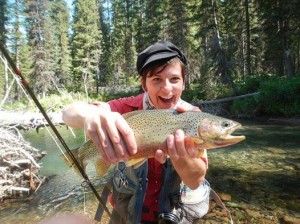
Introducing your children to the wilderness does not require extreme measures. You do not need to summit a peak, ford a raging river, or hike twenty miles in a day. Northwest Montana offers gentle trails, calm waters, and wildlife encounters that create the kind of memories families carry for generations. At Salmon Forks Outfitters, some of our most rewarding trips have been with families — watching a child catch their first trout, spot their first eagle, or ride a horse for the first time through an alpine meadow.
Why Wilderness Matters for Kids
Research consistently shows that time spent in nature improves children's physical health, emotional resilience, attention span, and creativity. But the deeper value of a wilderness experience is harder to measure and far more lasting. A child who has slept under stars, heard elk bugle at dawn, and waded barefoot in a mountain stream develops a relationship with the natural world that shapes their perspective for life.
The Bob Marshall Wilderness is one of the largest intact wilderness areas in the Lower 48 states. For a child, this scale is transformative. There are no power lines, no cell towers, no roads, no buildings — just mountains, rivers, forests, and sky. The absence of human infrastructure allows children to experience the world as it existed before all the noise, and that experience leaves a mark.
Age-Appropriate Adventures
Not every wilderness trip is suitable for every age, and part of planning a successful family adventure is matching the experience to the capabilities of your youngest participants.
Ages 5-8: Base Camp Explorations
Young children thrive with a secure home base and the freedom to explore at their own pace. Our family base camp trips establish a comfortable camp in a scenic location accessible by a short horseback ride (three to four hours from the trailhead). From base camp, activities radiate outward in manageable doses:
- Short nature walks along the river, focusing on rocks, insects, animal tracks, and wildflowers
- Introduction to fishing with simple spin-casting gear on calm water
- Rock skipping, creek wading, and dam building — the timeless activities of childhood
- Evening campfire time with stories, star identification, and hot chocolate
- Horse grooming and basic horsemanship under guide supervision
At this age, the schedule should be flexible. If a child discovers a fascinating rock formation and wants to spend an hour examining it, that is a successful wilderness experience — possibly more valuable than any planned activity.
Ages 9-12: Moving Through the Country
Pre-teens are ready for more ambitious outings. They can handle full days in the saddle, multi-day point-to-point trips, and more challenging fishing. This is often the ideal age for a first pack trip — old enough to participate meaningfully, young enough to be completely captivated by the experience.
- Multi-day horseback trips with daily riding distances of 8-12 miles
- Introduction to fly fishing with patient, age-appropriate instruction
- Wildlife identification projects using field guides (birds, mammals, tracks)
- Basic navigation skills with map and compass
- Camp chores and cooking participation — kids this age love helping with the Dutch oven
Ages 13+: The Full Experience
Teenagers can participate in the full range of wilderness activities. Longer rides, more technical fishing, higher passes, and greater independence make these trips memorable coming-of-age experiences. Many of our adult guests trace their love of the outdoors to a wilderness trip taken as a teenager.
Fishing With Kids
Fishing is one of the most natural ways to engage children in the wilderness. The rivers and streams around the Bob Marshall hold willing cutthroat trout that are eager to eat well-presented flies and lures. Success breeds enthusiasm, and these fish cooperate more readily than most.
For younger children, start with simple spin-casting gear. A light spinning rod with small spinners or spoons is easy to cast and produces fish quickly. The goal at this stage is not technical proficiency — it is the thrill of feeling a tug on the line and seeing a flash of color beneath the surface.
As children develop coordination and patience, transition to fly fishing. A short, soft-action rod (7 to 8 feet, 3 or 4 weight) is easier for small hands to manage. Start with dry flies on calm water — watching a cutthroat rise to a floating fly is one of the most exciting moments in all of fishing, and the visual nature of dry fly fishing keeps children engaged.
The trick with kids and fishing is knowing when to quit. Stop while they are still having fun, before fatigue turns excitement into frustration. A two-hour session that ends with laughter and stories is better than an all-day marathon that ends with tears. There will always be another day on the water.
Wildlife Viewing
The Bob Marshall Wilderness supports one of the most diverse wildlife populations in the Northern Rockies. On a typical week-long trip, families can expect to see some combination of the following species:
- Mule deer and white-tailed deer: Common in meadows and forest edges, especially in early morning and evening.
- Elk: Often heard before seen, especially during the September rut when bulls bugle at dawn and dusk.
- Mountain goats: Visible on cliff faces and high ridges, particularly near the Chinese Wall.
- Bald eagles and ospreys: Nest along the major river corridors and are frequently spotted fishing.
- Black bears: Usually seen at a distance, feeding on berries or digging for roots. These encounters are exciting and safe when proper distance is maintained.
- Grizzly bears: Less commonly seen than black bears but present throughout the wilderness. Sightings are memorable and, from a safe distance, awe-inspiring.
Bring binoculars for every family member and a field guide to Montana wildlife. Children who can identify what they are seeing develop a deeper connection to the landscape. A wildlife journal where kids sketch and note their sightings becomes a treasured souvenir.
Safety Considerations for Families
Traveling with children in wilderness requires additional attention to safety, but it should not be a source of anxiety. The risks are manageable with proper preparation:
- Bear safety: Brief your children on bear protocols before the trip. Keep them close on the trail. Our guides carry bear spray and know the country intimately.
- Water safety: River crossings are supervised. Children should always wade in calm water and wear shoes with good grip.
- Sun protection: High altitude intensifies UV exposure. Sunscreen, hats, and long sleeves are essential, not optional.
- Hydration: Children dehydrate faster than adults. Carry water bottles and remind them to drink regularly.
- Riding safety: All riders receive instruction before departure. Children are matched with calm, experienced horses. Helmets are available and recommended for young riders.
Planning a Family Trip
Our family trips run three to five days, depending on the ages of the children and the family's experience level. Three-day trips are ideal for families with younger children or first-time riders. Five-day trips allow for a deeper wilderness experience with time to reach more remote destinations.
We recommend July and early August for family trips. The weather is warmest, the days are longest, and the trails are in their best condition. Wildflowers are at their peak, berries are ripening, and the fishing is reliable.
The gear requirements for families are the same as for adults, scaled down for smaller bodies. We can provide a detailed packing list tailored to your children's ages and the specific trip you choose. The most important thing to bring is not gear — it is a willingness to let the wilderness work its magic at whatever pace your family finds natural.
To plan a family wilderness adventure, contact us at [email protected] or (406) 387-4405. We love helping families discover this country together.
Related Articles
Westslope Cutthroat Trout: Catch and Release Best Practices
Teach your children proper catch and release technique from the start.
Bear Safety in Montana Wilderness: Bear Spray and Beyond
Essential bear safety knowledge for families venturing into grizzly country.
Dutch Oven Cooking on the Trail: Wilderness Camp Recipes
Kids love helping with Dutch oven cooking — and eating the results.