
Horseback Pack Trip Essentials: Your Bob Marshall Packing List
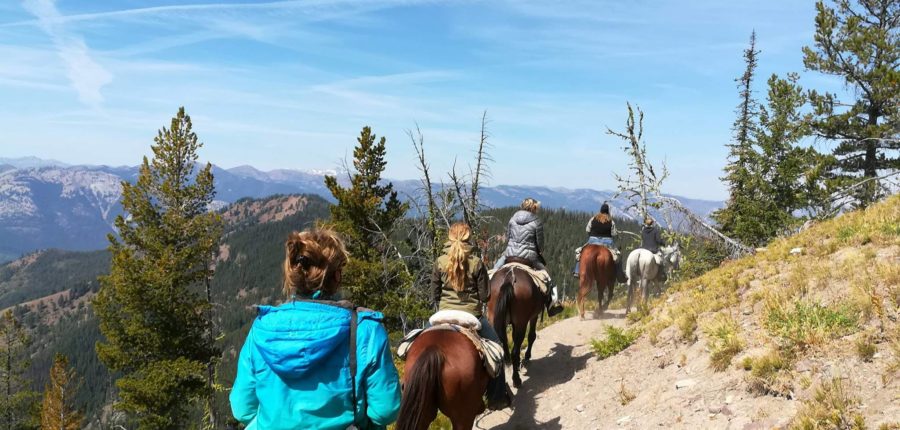
Packing for a multi-day horseback trip into the Bob Marshall Wilderness is an exercise in balance. You need enough gear to stay comfortable and safe in a remote mountain environment, but every item has to fit in a pair of panniers and ride on a mule. Over the years, we have seen guests arrive with too much, too little, and occasionally things that have no business in the backcountry. This guide reflects what we have learned in nearly nine decades of packing people into the wilderness.
What Your Outfitter Provides
Before packing your bags, understand what Salmon Forks Outfitters supplies for every trip. This prevents duplication and saves valuable pannier space:
- Riding horse and tack for each guest
- Pack mules for all group and personal gear
- Wall tents with wood stoves (fall trips)
- Sleeping tents (summer trips)
- Camp kitchen with cook and all meals
- Water filtration equipment
- First aid kit and emergency communication (satellite phone)
- Bear spray (one per person)
- Camp chairs, tables, and lanterns
You are responsible for your personal clothing, sleeping bag, personal items, and any specialized gear (fishing tackle, camera equipment, etc.).
Clothing: The Layering System
Weather in the Bob Marshall can shift dramatically within hours. A July morning might start at 35 degrees with frost on the grass, warm to 75 by noon, and deliver a thunderstorm with hail by three in the afternoon. The layering system is not optional — it is essential.
Base Layer
Merino wool base layers are the gold standard for backcountry travel. Unlike synthetic materials, merino regulates temperature across a wide range, wicks moisture effectively, and resists odor even after days of continuous wear. Pack two sets of base layers — tops and bottoms — so one can dry while you wear the other. Avoid cotton in all forms. Cotton absorbs moisture, loses all insulating value when wet, and takes forever to dry. In mountain country, wet cotton is a hypothermia risk.
Insulating Layer
A lightweight fleece or down jacket serves as your primary insulating layer. For summer trips, a 100-weight fleece is usually sufficient. Fall trips require heavier insulation — a quality down jacket with a water-resistant shell is ideal. Down packs smaller and lighter than synthetic insulation, but it must be kept dry to perform.
Outer Shell
A waterproof, breathable rain jacket is the most important single garment you will pack. Gore-Tex or equivalent fabrics keep rain out while allowing perspiration to escape. Your rain jacket should fit over all your insulating layers without restricting movement. Pack rain pants as well — riding a horse through a mountain rain shower without them is a miserable experience.
Riding-Specific Clothing
- Riding boots or sturdy hiking boots: Smooth soles or light tread that will not catch in stirrups. Heeled boots are traditional for a reason — the heel prevents your foot from sliding through the stirrup.
- Long pants: Durable fabric that can withstand friction against a saddle. Jeans work but are heavy when wet. Quick-dry hiking pants are a better choice.
- Wide-brimmed hat: Sun protection, rain runoff, and wind management in one package. A hat cord keeps it attached during gallops and gusts.
- Riding gloves: Leather or synthetic gloves protect hands from reins, rope, and cold. Thin liner gloves add warmth without bulk.
Sleeping Gear
Your sleeping bag is your most critical piece of personal equipment. The temperature rating should match the coldest conditions you expect to encounter, plus a comfort margin.
- Summer trips (July-August): A 20-degree Fahrenheit rated bag handles most conditions. Nighttime lows at camp elevations (5,500-7,000 feet) typically range from 28 to 45 degrees.
- Fall trips (September-October): A 0-degree bag is recommended. Temperatures can drop well below zero during cold snaps, and sleeping warm is essential for maintaining energy and morale.
- Sleeping pad: An inflatable sleeping pad provides insulation from the ground and makes a significant difference in sleep quality. Self-inflating pads are the most reliable option.
- Pillow: A small compressible camp pillow is a worthwhile luxury. Alternatively, stuff a fleece jacket into a stuff sack.
Personal Items Checklist
The following items should be in every guest's personal kit, regardless of the season or trip type:
- Sunscreen (SPF 30 or higher — altitude intensifies UV exposure)
- Lip balm with SPF
- Sunglasses with UV protection
- Headlamp with spare batteries
- Personal medications (carry a full supply plus extra days)
- Insect repellent (mosquitoes and horse flies are persistent from June through August)
- Small towel (quick-dry microfiber)
- Toiletry kit (biodegradable soap only — we pack out all waste)
- Camera (protect it from dust and moisture in a dry bag)
- Notebook and pen
- Pocketknife or multi-tool
- Water bottle (32 oz minimum — Nalgene bottles are nearly indestructible)
Fishing Tackle
If your trip includes fishing, you will need your own tackle. The rivers and streams of the Bob Marshall offer excellent fly fishing, and the fish here are not demanding about presentation — but they do require that you reach them.
- Fly rod (9-foot, 5-weight is ideal) in a protective hard case
- Reel with weight-forward floating line
- Leaders and tippet material (3X through 5X)
- Fly box with a selection of dry flies, nymphs, and streamers
- Hemostats, nippers, and floatant
- Valid Montana fishing license and conservation license
Pack your fly rod in a hard case and strap it to the outside of a pannier. We have seen too many rod tips snapped by careless packing. A rod tube is cheap insurance for an expensive piece of equipment.
Packing Tips From the Packers
After decades of loading mules, our packers have opinions about packing that border on religious conviction. Here is their advice:
- Use soft-sided bags: Duffel bags and stuff sacks conform to pannier shapes. Hard-sided luggage does not fit and will not be taken.
- Keep it under 35 pounds: Each guest's personal gear should not exceed 35 pounds total. This allows us to balance loads properly across the mule string.
- Waterproof everything: Use dry bags or heavy-duty garbage bags as liners inside your duffel. River crossings can splash pannier contents, and rain happens without warning.
- Label your bags: Mark your name clearly on every bag. In the pre-dawn chaos of breaking camp, it saves time and prevents confusion.
- Pack a day bag: Keep rain gear, snacks, water, camera, and sunscreen in a small daypack that you can carry on your saddle horse. You will not have access to your panniers during the day's ride.
The wilderness does not require specialized or expensive gear — it requires appropriate gear, packed thoughtfully. If you have questions about what to bring for your specific trip, call us at (406) 387-4405 or email [email protected]. We are always happy to talk gear.
Related Articles
Why Mules Are the Best Trail Companions in Montana
Sure-footed, enduring, and intelligent — mules are the backbone of wilderness outfitting in Montana.
Bear Safety in Montana Wilderness: Bear Spray and Beyond
Essential bear safety knowledge for anyone venturing into grizzly country.
Dutch Oven Cooking on the Trail: Wilderness Camp Recipes
Transform camp meals into memorable feasts with cast iron Dutch oven cooking.