
Fly Fishing in the Bob Marshall Wilderness: A Complete Guide

The Bob Marshall Wilderness Complex spans over 1.5 million acres of roadless terrain in northwestern Montana, and within that vast expanse lie some of the most pristine fly fishing waters in North America. For anglers who are willing to leave the trailhead behind and venture deep into the backcountry, the reward is solitude, scenery, and native trout that have never seen a hatchery truck.
At Salmon Forks Outfitters, we have been guiding fly fishing trips into the Bob since 1935. Over the decades, we have watched the wilderness remain remarkably unchanged, a testament to the protections that keep this country wild. This guide distills what we have learned in nearly a century on these waters.
The Rivers and Streams of the Bob Marshall
The Bob Marshall Wilderness is drained by three major river systems: the South Fork of the Flathead, the Middle Fork of the Flathead, and the Sun River. Each offers a distinct character and fishing experience.
The South Fork of the Flathead is the heart of our operation. It flows for nearly 60 miles through the wilderness, gathering water from countless tributaries. The upper reaches are intimate — narrow channels winding through spruce-fir forest where you can cast to rising fish from the bank. As the river gains volume, it opens into broad runs and deep pools that hold larger fish. The South Fork is home to healthy populations of westslope cutthroat trout and bull trout, both of which are native to this drainage.
The Middle Fork of the Flathead forms the northern boundary of the wilderness and is designated a National Wild and Scenic River. It runs faster and colder than the South Fork, with significant whitewater sections interspersed with excellent fishing pools. Access is more challenging, which keeps angling pressure low.
The Sun River drains the eastern slopes and offers a different flavor of fishing altogether. The terrain is more open, with expansive meadows and limestone cliffs. Cutthroat trout here tend to be slightly smaller but more numerous, and the dry fly fishing can be extraordinary during summer evenings.
Native Trout Species
The Bob Marshall Wilderness is one of the last strongholds for genetically pure westslope cutthroat trout. Unlike many waters in the West where hybridization with rainbow trout has diluted native genetics, the remote tributaries of the Bob still harbor cutthroat populations that are genetically identical to fish that swam here before European settlement.
Bull trout are the apex predator of these rivers. Growing to lengths exceeding 25 inches, they are a federally threatened species and must be released immediately if caught. Bull trout prefer the deepest, coldest pools and are most often encountered on large streamers or while fishing for cutthroat in deeper water. The Montana Fish, Wildlife & Parks maintains strict regulations for bull trout across the state.
Mountain whitefish also inhabit these waters in good numbers. While sometimes dismissed by trout purists, whitefish provide reliable sport on nymphs and small dry flies, especially during the colder months of the season.
Seasonal Hatches and Fly Selection
The insect life in the Bob Marshall is rich and varied, driven by clean water and intact riparian habitats. Understanding the seasonal progression of hatches is essential for consistent fishing.
Early Season (June)
As snowmelt recedes and water temperatures climb into the upper forties, salmonflies begin their annual migration. These massive stoneflies — some exceeding two inches — bring the biggest fish in the river to the surface. Carry size 4-8 salmonfly patterns in both dry and nymph configurations. Golden stoneflies follow closely behind, and a Stimulator in sizes 6-10 is a reliable searching pattern.
Mid-Season (July - August)
This is the prime window for dry fly fishing in the Bob. Pale morning duns hatch reliably in the mornings, followed by caddis activity through the afternoon and into evening. A size 14-16 Elk Hair Caddis is arguably the single most productive fly in these waters during summer. Green drakes make sporadic appearances on overcast days, and when they do, even the most wary fish abandon caution.
Late Season (September - October)
Fall brings cooler nights, golden larch needles, and some of the most rewarding fishing of the year. Mahogany duns and blue-winged olives provide consistent surface activity, especially during the warmest hours of the day. Streamer fishing becomes increasingly effective as bull trout and large cutthroat feed aggressively before winter. Woolly Buggers, Sculpins, and Zonkers in sizes 4-8 can produce the fish of a lifetime.
Gear Recommendations
Fly fishing in the backcountry requires balancing performance with portability. Every ounce matters when your gear travels by pack horse or on your back.
- Rod: A 9-foot, 5-weight rod handles 90 percent of the fishing in the Bob. For streamer work or windy conditions, a 6-weight provides extra backbone. Multi-piece travel rods (4-piece) pack easily on a mule.
- Reel: A reliable click-and-pawl or disc-drag reel with a smooth drag system. You will not need backing capacity for most fish, but the occasional bull trout will test your equipment.
- Line: Weight-forward floating line for 90 percent of situations. Consider a sink-tip line if you plan to fish deep pools or target bull trout.
- Leader and Tippet: 9-foot tapered leaders in 3X-5X. Pack extra tippet in 4X and 5X — cutthroat trout are not leader-shy, but lighter tippet allows a more natural drift.
- Waders: Lightweight breathable waders with felt or rubber-soled boots. The river bottoms here are predominantly cobble and gravel, and good traction is essential.
Planning Your Trip
A fly fishing trip into the Bob Marshall Wilderness is not a casual afternoon excursion. Most productive fishing areas require a minimum of a one-day horseback ride from the nearest trailhead, and the best water is two or three days in. This remoteness is precisely what makes the experience so valuable.
Our guided fishing trips typically run five to seven days, allowing time for travel, exploration, and unhurried days on the water. We provide all camp equipment, food, horses, and mules. Anglers need only bring personal gear and fishing tackle. A valid Montana fishing license is required, along with a conservation license.
The best time to fish the Bob Marshall is when you can get there. Every season offers something remarkable, but July and September are the months our guides look forward to most.
The wilderness enforces its own pace. There is no cell service, no road noise, no competition for water. You fish at dawn if you choose, or you sit by the fire and watch the mist rise off the river. The fish are wild, the mountains are immense, and for a few days, the rest of the world simply ceases to exist.
If you have questions about planning a fly fishing trip into the Bob Marshall Wilderness, we are happy to help. Contact us at [email protected] or call (406) 387-4405.
Related Articles
Westslope Cutthroat Trout: Catch and Release Best Practices
Proper technique ensures Montana's state fish thrives for future anglers in the Bob Marshall drainage.
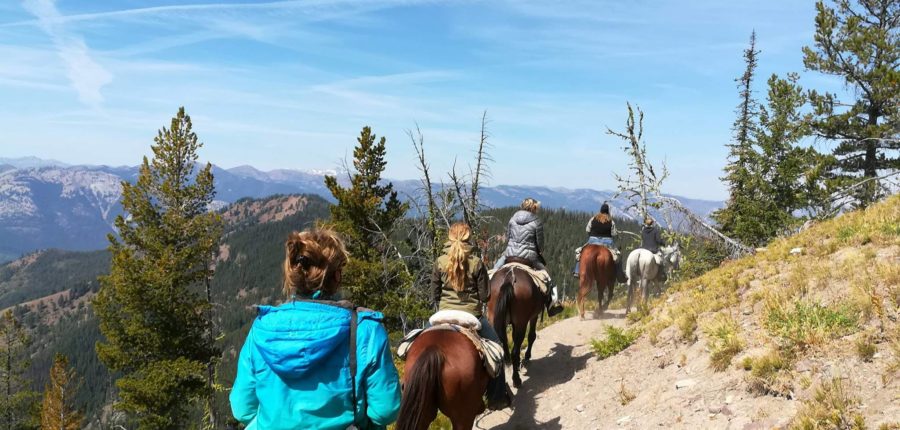
Horseback Pack Trip Essentials: Your Bob Marshall Packing List
The right gear keeps you comfortable, safe, and ready for whatever the mountains bring on a multi-day trip.
Family-Friendly Wilderness Adventures in Northwest Montana
Gentle trails, calm waters, and wildlife encounters that families remember for generations.