
Planning Your First Montana Elk Hunt: What to Expect
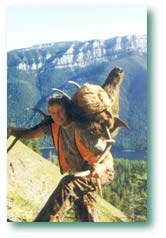
Elk hunting in Montana is one of the most demanding and rewarding pursuits in North American big game hunting. The state holds the largest elk population in the Lower 48, and the Bob Marshall Wilderness offers some of the most remote and productive hunting country anywhere on the continent. If you are considering your first elk hunt, this guide covers the essentials — from licenses and timing to physical preparation and what happens after the shot.
Understanding Montana Elk Tags and Licenses
Before you can hunt elk in Montana, you need the proper licensing. Resident hunters can purchase a general elk tag over the counter, but nonresident tags are limited and distributed through a drawing system. The application deadline typically falls in mid-March for the fall hunting season.
Montana divides elk hunting into several distinct seasons. The archery season opens in early September and runs through mid-October. The general rifle season begins on the fourth Saturday of October and lasts five weeks. There are also muzzleloader and late-season opportunities in specific hunting districts. Detailed regulations are published annually by Montana Fish, Wildlife & Parks.
The Bob Marshall Wilderness falls primarily within hunting districts 150 and 151, which are managed for quality elk hunting. These districts have historically produced some of the finest trophy bulls in the state, largely because the terrain limits access to those willing to invest serious effort.
Choosing Your Season
Each season offers a fundamentally different hunting experience, and your choice should align with your skills, physical condition, and expectations.
Archery Season (September)
September in the Bob Marshall is elk hunting at its most primal. The bulls are in rut, bugling at dawn and dusk, and responsive to calling. Temperatures are mild, the landscape is green, and the days are long. The challenge is getting within bow range of an animal whose senses are far superior to your own. Archery elk hunting demands patience, woodcraft, and the ability to cover difficult terrain in near silence. Success rates are lower than rifle season, but the experience is unmatched.
General Rifle Season (Late October - November)
Rifle season brings colder weather, shorter days, and the possibility of snow — which can be a tremendous advantage. Fresh snow reveals tracks, bedding areas, and travel patterns that are otherwise invisible. Elk are past the peak of the rut but still vocal on occasion. The physical demands are significant: temperatures can drop below zero, and snow accumulation in the high country sometimes exceeds a foot overnight. Rifle hunting in the Bob is a serious wilderness endeavor.
Physical Preparation
Elk hunting in mountain wilderness is one of the most physically demanding activities in outdoor recreation. The Bob Marshall Wilderness ranges from 4,000 to over 9,000 feet in elevation, and a typical hunting day involves miles of hiking over steep, uneven terrain while carrying a rifle, pack, and survival gear.
Begin your fitness preparation at least three months before your hunt. Focus on:
- Cardiovascular endurance: Hiking with a weighted pack is the single best training exercise. Start with 20-pound loads and gradually increase to 50 pounds over rough terrain.
- Leg strength: Squats, lunges, and step-ups build the muscle groups you will rely on most. The ability to climb a thousand vertical feet without stopping is not optional — it is essential.
- Core stability: Navigating deadfall, crossing streams, and shooting from awkward positions all require a strong core.
- Altitude acclimatization: If you live at low elevation, arrive in Montana at least two days before your hunt begins to adjust to the thinner air.
The mountain does not care about your gym membership. Train on hills, train with weight, and train in the conditions you expect to face. The elk will be above you, and you need to be able to get there.
Essential Gear for Backcountry Elk Hunting
When you hunt from a wilderness camp packed in by mules, you have the luxury of a more comfortable setup than a backpack hunt, but gear selection still matters. Here is what we recommend based on decades of guiding in the Bob:
- Rifle: A flat-shooting caliber in the .270 to .300 range is ideal. The .30-06, .308 Winchester, and .300 Winchester Magnum are all proven performers on elk. Know your rifle intimately — practice at various distances and positions before your hunt.
- Optics: Quality binoculars (10x42) are more important than your rifle scope. You will spend ten times as much time glassing as shooting. A spotting scope (20-60x) is valuable for judging bulls at distance.
- Clothing: Layering is critical. Merino wool base layers, insulating mid-layers, and a waterproof-breathable outer shell form the foundation. Cotton kills in the backcountry — leave it at home.
- Boots: Sturdy, waterproof mountain boots with aggressive tread and ankle support. Break them in thoroughly before your trip. Blisters in the wilderness are more than an inconvenience — they can end your hunt.
- Pack: A quality hunting pack in the 3,000-5,000 cubic inch range with a load shelf capable of hauling meat. You need a pack that is comfortable empty and functional under 80 pounds.
After the Shot: Field Care
An elk is a large animal. A mature bull can weigh over 700 pounds on the hoof, and field dressing, quartering, and packing the meat is a substantial undertaking. In the backcountry, proper field care is essential for preserving the meat.
After the shot, the clock starts. Cool the meat as quickly as possible by getting the hide off and the quarters hung in the shade. In October, temperatures in the Bob Marshall are usually ideal for hanging meat — cold nights and cool days keep things fresh. Our pack string can haul quartered elk back to the trailhead, which saves your legs and ensures the meat arrives in good condition.
Montana requires that all edible portions of game be removed from the field. This is not just a regulation — it is a matter of respect for the animal and the hunting tradition. We take pride in ensuring that nothing is wasted.
The Guided Advantage
Hunting the Bob Marshall on your own is certainly possible, but the logistical challenges are significant. The Bob Marshall Wilderness is accessed by trailheads that are often an hour or more from the nearest town, and the best hunting areas are a full day's ride from the trailhead.
A guided hunt with Salmon Forks Outfitters provides horses and mules for transportation, an established wilderness camp with wall tents and a cook, and decades of knowledge about elk movement patterns in this country. Our guides have spent their careers in these mountains, and they know where the elk bed, feed, water, and travel.
Our typical elk hunting trips run seven to ten days, providing enough time to adapt to the wilderness pace, locate bulls, and execute a careful stalk. Success is never guaranteed — the wilderness owes us nothing — but preparation, patience, and persistence tip the odds considerably in your favor.
To discuss planning your Montana elk hunt, contact us at [email protected] or call (406) 387-4405.
Related Articles
Bear Safety in Montana Wilderness: Bear Spray and Beyond
Understanding bear behavior and carrying proper deterrents prevents dangerous encounters in hunting country.
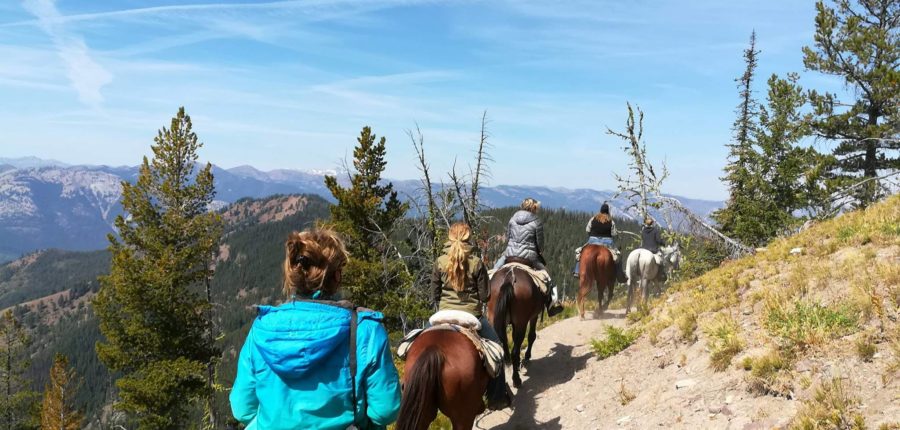
Horseback Pack Trip Essentials: Your Bob Marshall Packing List
The right gear keeps you comfortable and safe on a multi-day backcountry trip.
Why Mules Are the Best Trail Companions in Montana
Sure-footed and enduring, mules are indispensable partners on Montana's rocky backcountry trails.