
Historic Fire Lookouts of the Bob Marshall Wilderness
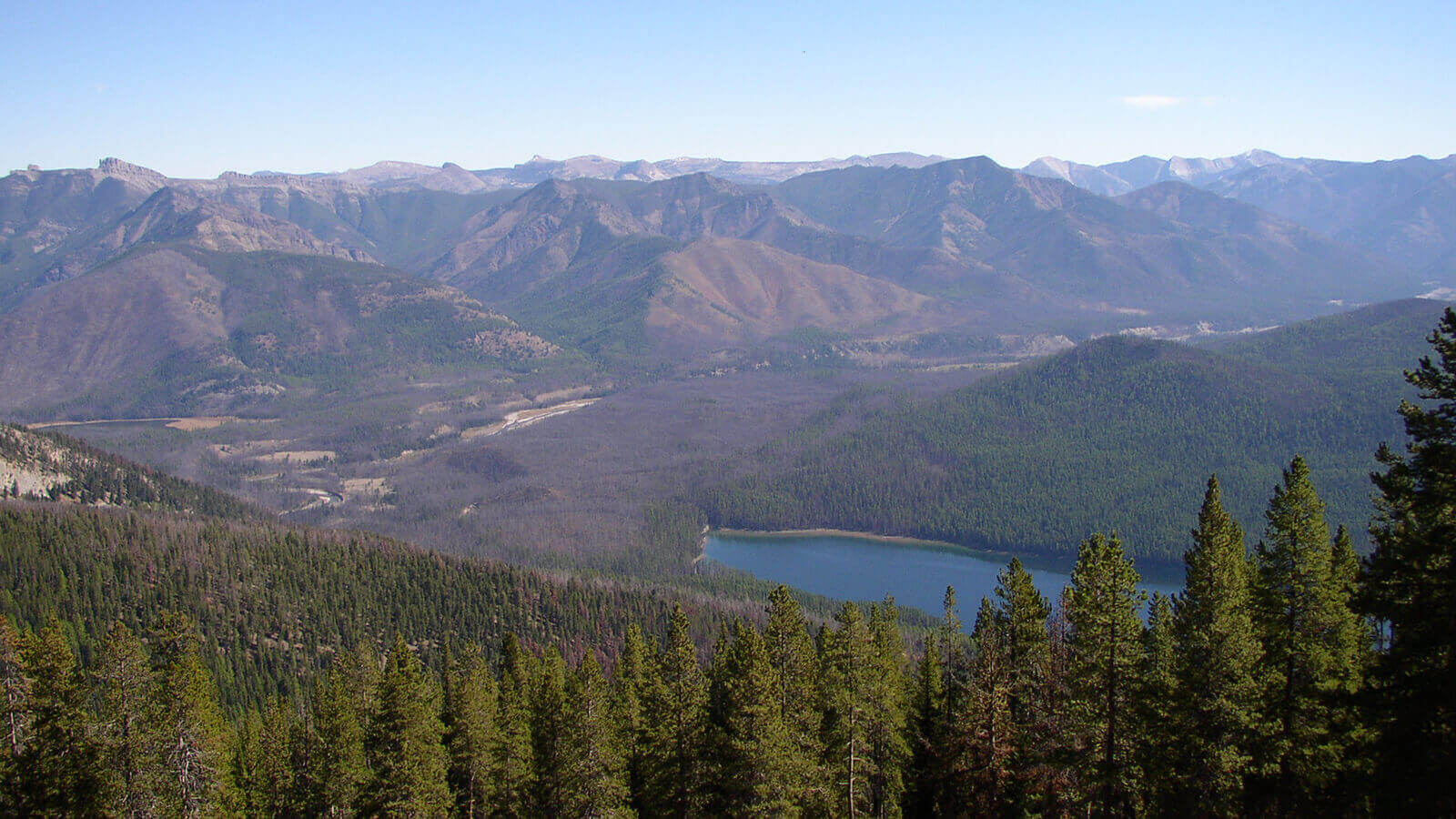
Perched on the highest ridges of the Bob Marshall Wilderness, fire lookout towers stand as monuments to an era when young men and women spent entire summers scanning the horizon for smoke. These structures, some dating to the 1920s, represent one of the most romantic chapters in the history of American wildland conservation. Today, many of them still stand, offering backcountry travelers panoramic views that no photograph can adequately capture.
The Origins of the Lookout System
The devastating wildfires of 1910 — collectively known as the Big Blowup — burned three million acres across Idaho, Montana, and Washington in just two days, killed 85 people, and destroyed several towns. The disaster transformed the young U.S. Forest Service and launched an aggressive fire detection and suppression program that would shape forest management for the next century.
By the 1920s, the Forest Service was building lookout towers on strategic peaks throughout the Northern Rockies. The concept was simple: place a trained observer on the highest available point with a clear view of the surrounding forest, equip them with a map, a firefinder (an alidade-style sighting device), and a telephone or radio, and task them with spotting fires before they grew beyond control. At the system's peak in the 1940s and 1950s, more than 8,000 fire lookouts operated across the United States.
Notable Lookouts in the Bob Marshall
The Bob Marshall Wilderness Complex contains some of the most intact and historically significant fire lookout structures remaining in the Northern Rockies. Several are listed on the National Register of Historic Places, and a few are still staffed during peak fire season.
Spotted Bear Lookout
Located at the western edge of the wilderness near the confluence of Spotted Bear River and the South Fork of the Flathead, the Spotted Bear lookout sits at approximately 6,200 feet. Originally built in 1930 and rebuilt in 1953, it offers commanding views of the South Fork drainage and the peaks of the Great Bear Wilderness to the north. The structure is a classic L-4 style lookout — a 14-by-14-foot cab mounted on a timber frame tower — and it has been maintained by the Flathead National Forest as a historic resource.
Silvertip Lookout
Silvertip sits at over 7,400 feet on a rocky promontory with 360-degree views of the surrounding wilderness. The lookout is reached by a steep trail that gains nearly 3,000 feet in five miles. On clear days, the view extends from the Chinese Wall to the south, across the peaks of Glacier National Park to the north, and east to the Rocky Mountain Front. This lookout was active from 1933 through the 1970s and is now maintained as a historic site.
Pentagon Lookout
Named for the five-sided peak it crowns, Pentagon Lookout provides views deep into the heart of the Bob Marshall. The approach involves a lengthy horseback ride through the South Fork drainage followed by a steep climb to the summit ridge. The reward is one of the most isolated viewpoints in the wilderness — on a summer evening, you can stand at the lookout and see nothing but unbroken wilderness in every direction.
Life in a Fire Lookout
Lookout life was defined by isolation and vigilance. A typical lookout operator arrived in late June, packed in by mule with a summer's worth of supplies, and remained on station until the fall rains extinguished fire danger in September or October. The daily routine revolved around weather observations, fire watches, and endless hours of solitude.
The physical conditions were spartan. Most lookout cabs measured just 14 by 14 feet and contained a cot, a wood-burning stove, a desk, storage shelves, and the firefinder. Water came from snowmelt or hand-carried from springs below the summit. Entertainment was limited to books, letter-writing, and the ever-changing drama of weather and wildlife visible from the cab's windows.
The lookout's greatest tool was patience. You watched the same mountains for months, learning every ridge and draw, every shadow pattern, every quirk of weather. When a wisp of smoke appeared where none had been, you noticed — not because you were looking for it specifically, but because it did not belong in the landscape you had memorized.
Several notable writers served as fire lookout operators, including Jack Kerouac, who spent the summer of 1956 at Desolation Peak lookout in Washington's North Cascades. Gary Snyder, Edward Abbey, and Norman Maclean all drew inspiration from the lookout experience, and the literary tradition of solitary mountain observation continues to shape how Americans think about wilderness.
The Decline and Preservation
By the 1970s, aerial reconnaissance and satellite technology had made most fire lookouts operationally obsolete. The Forest Service began decommissioning towers across the country, and many were demolished, burned, or left to deteriorate. Of the original 8,000-plus lookouts, fewer than 2,000 remain standing today.
In the Bob Marshall and surrounding wilderness areas, the preservation story is more hopeful. The remoteness that made these lookouts difficult to maintain also protected them from demolition — it was often easier to leave a structure standing than to pack it out. Volunteer organizations, including the Montana Wilderness Association and the Forest Fire Lookout Association, have invested significant effort in stabilizing and restoring historic lookouts throughout the region.
Several lookouts in the greater Bob Marshall area are now available for rental through the Forest Service's recreation reservation system. These restored structures offer a unique overnight experience — sleeping in a glass-walled cab at 7,000 feet, watching thunderstorms march across the wilderness below, and waking to a sunrise that illuminates a hundred miles of mountain country.
Visiting Fire Lookouts on Horseback
Many of the fire lookouts in and around the Bob Marshall Wilderness are accessible as side trips during our guided horseback adventures. The approach to most lookouts involves a combination of valley trail riding and a steep final climb, often on foot after tying the horses at a hitch rail below the summit.
The views from these lookouts provide the broadest possible perspective on the wilderness. Standing at a lookout, you can trace the river systems that drain the Bob Marshall, identify the major peaks and passes, and understand the geography of this landscape in a way that is impossible from the valley floor. It is the difference between reading a map and seeing the country the map describes.
Our guides know the stories of the men and women who staffed these lookouts — the fires they spotted, the storms they endured, the summers of solitude that shaped their understanding of this country. A visit to a fire lookout is not just a scenic detour; it is a connection to the human history of the wilderness.
To include a fire lookout visit in your wilderness trip, contact us at [email protected] or (406) 387-4405.
Related Articles
The Chinese Wall: Montana's Hidden Natural Wonder
A 1,000-foot limestone escarpment stretching 22 miles along the Continental Divide.
Why Mules Are the Best Trail Companions in Montana
Sure-footed and intelligent, mules make reaching remote lookouts possible.
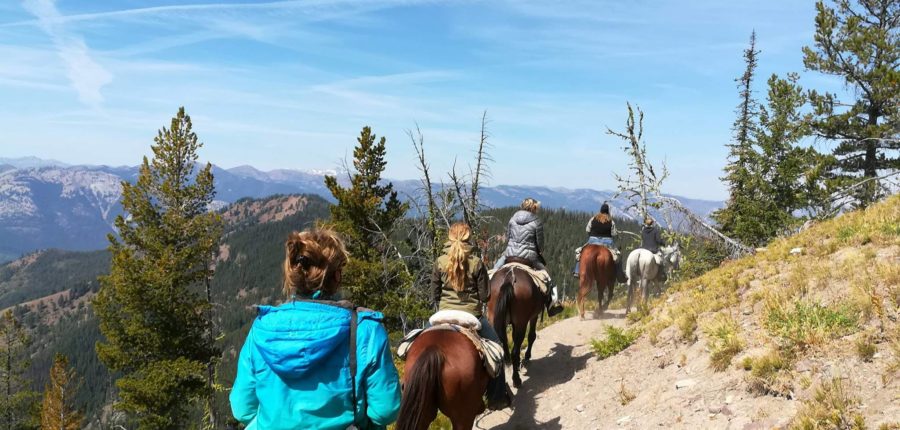
Horseback Pack Trip Essentials: Your Bob Marshall Packing List
Everything you need for a multi-day backcountry horseback adventure.